Curb Appeal That Adds Security
Ornamental Iron Fencing in Tyler for front yards and commercial properties needing elegant, durable boundaries
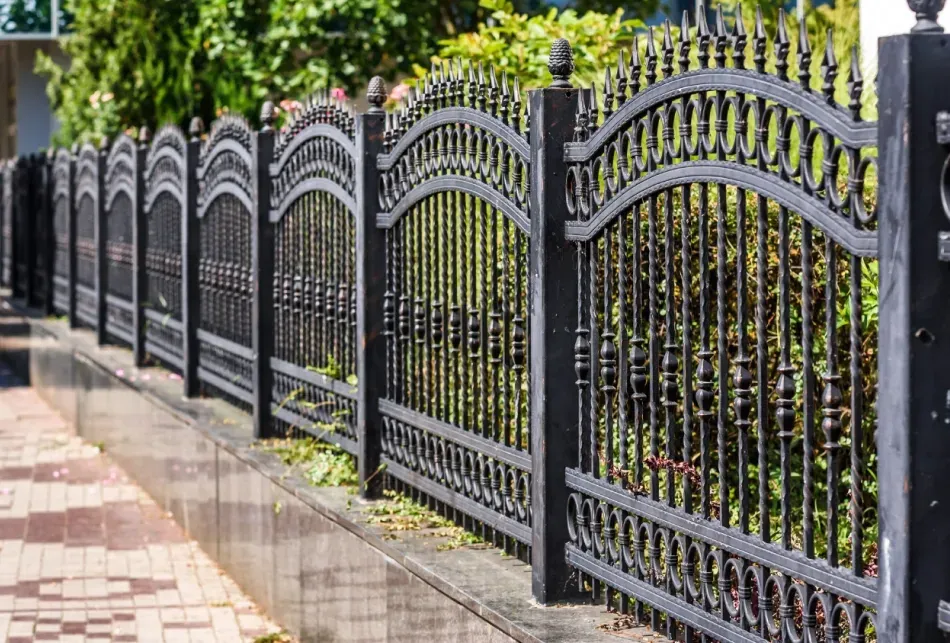
Iron fencing combines decorative appearance with functional security, using vertical rails and custom scrollwork that enhance property aesthetics while establishing clear boundaries. You install ornamental iron when you want fencing that complements architectural style rather than hiding it, common for front yards, entrances, commercial storefronts, and properties where visibility matters as much as perimeter definition. CWG Fence and Decks fabricates and installs ornamental iron fencing in Tyler, Lindale, Bullard, Flint, Whitehouse, and Chandler for residential and commercial clients who prioritize curb appeal alongside structural strength.
The fencing uses steel or aluminum rails welded or bolted into panels, with powder-coated finishes that resist rust and corrosion in humid East Texas conditions. Custom designs incorporate spear-top finials, decorative scrolls, or arched gates that match the property's existing style, whether traditional, modern, or classical. Installation involves setting posts in concrete footings, leveling panel sections to follow ground contours, and ensuring gate clearance for smooth operation over years of use.
Schedule a property evaluation to discuss design options and review how ornamental iron fencing fits your site layout.
Why Ornamental Iron Works for High-Visibility Properties
Iron fencing installs with precisely spaced vertical rails that prevent access while maintaining open sightlines, allowing you to see across the property and letting passersby view landscaping or building features you want visible from the street. Posts anchor deeply in concrete to handle lateral forces from wind or impact, and welded rail connections create rigid structures that don't sag or shift the way chain link fabric can over time. Powder coating applies during fabrication, bonding a protective layer to the metal that resists chipping and weathering far better than field-applied paint.
After installation, you notice improved property definition that frames landscaping and architecture without creating visual barriers, which increases curb appeal and perceived property value. The fencing deters casual trespassing because rails are difficult to climb, while decorative elements signal maintained, high-quality construction that reflects well on residential or commercial properties. Iron fencing also lasts decades with minimal maintenance since powder-coated finishes don't require annual repainting and steel construction resists the warping or rot that affects wood in humid climates.
Design customization includes rail height, finial styles, gate width, and color selection to match brick, stone, or siding on existing structures. You can integrate ornamental iron with masonry columns for added visual weight at entrances, or use lower sections to border gardens while taller sections secure rear property lines.
Clients considering ornamental iron fencing often want to understand design flexibility, material durability, and how the fencing performs in different property applications before committing to installation.
What Property Owners Usually Ask
What's the difference between steel and aluminum ornamental fencing?
Steel offers greater strength and impact resistance for high-security applications, while aluminum provides similar appearance with lighter weight and superior corrosion resistance, making it ideal for decorative residential installations where extreme strength isn't required.
How does powder coating hold up to Tyler's humidity and temperature swings?
Powder coating chemically bonds to metal surfaces during a heat-curing process, creating a finish more durable than liquid paint, resistant to peeling, fading, and rust formation even with year-round outdoor exposure common to East Texas.
Can ornamental iron fencing be customized to match existing architecture?
Custom fabrication allows rail spacing, finial design, color, and panel height to align with your property's architectural style, whether you're matching historical details or contemporary minimalism.
What height works best for front yard ornamental fencing?
Most residential installations use three- to four-foot heights that define boundaries and enhance curb appeal without blocking views, while commercial properties may use taller sections for added security in rear or side perimeters.
How often does ornamental iron fencing need maintenance?
You inspect annually for loose fasteners or minor finish damage, touching up any chips with matching paint to prevent rust, but well-installed powder-coated fencing typically requires no major maintenance for many years.
CWG Fence and Decks provides design consultations, custom fabrication options, and clear installation timelines for ornamental iron projects. Contact our team to explore how decorative iron fencing can enhance your property's appearance and security.