Restoring Waterfront Structures to Safe Condition
Boat dock repair services in Tyler for aging or damaged docks requiring structural restoration and improved safety
Constant water exposure, shifting lake levels, and wave action gradually weaken dock structures, leading to loose boards, rotted pilings, and failing hardware. CWG Fence and Decks repairs docks throughout Tyler-area lakes by identifying which components have deteriorated and which remain structurally sound. Common failure points include decking boards that warp and crack from UV exposure, pilings that rot below the waterline, and corroded fasteners that lose holding strength. Many docks can be restored with targeted repairs instead of complete replacement, saving both cost and the time required to permit and build a new structure.
Dock inspection starts by checking piling stability, evaluating joist condition where framing members attach, and testing for soft wood that indicates rot. Decking is walked to identify boards that flex excessively or show cracking, and hardware is inspected for rust or looseness. Repairs focus on replacing compromised structural members while preserving components that still perform correctly.
Request a dock inspection to assess damage and receive a detailed repair plan.
What Dock Repairs Actually Accomplish
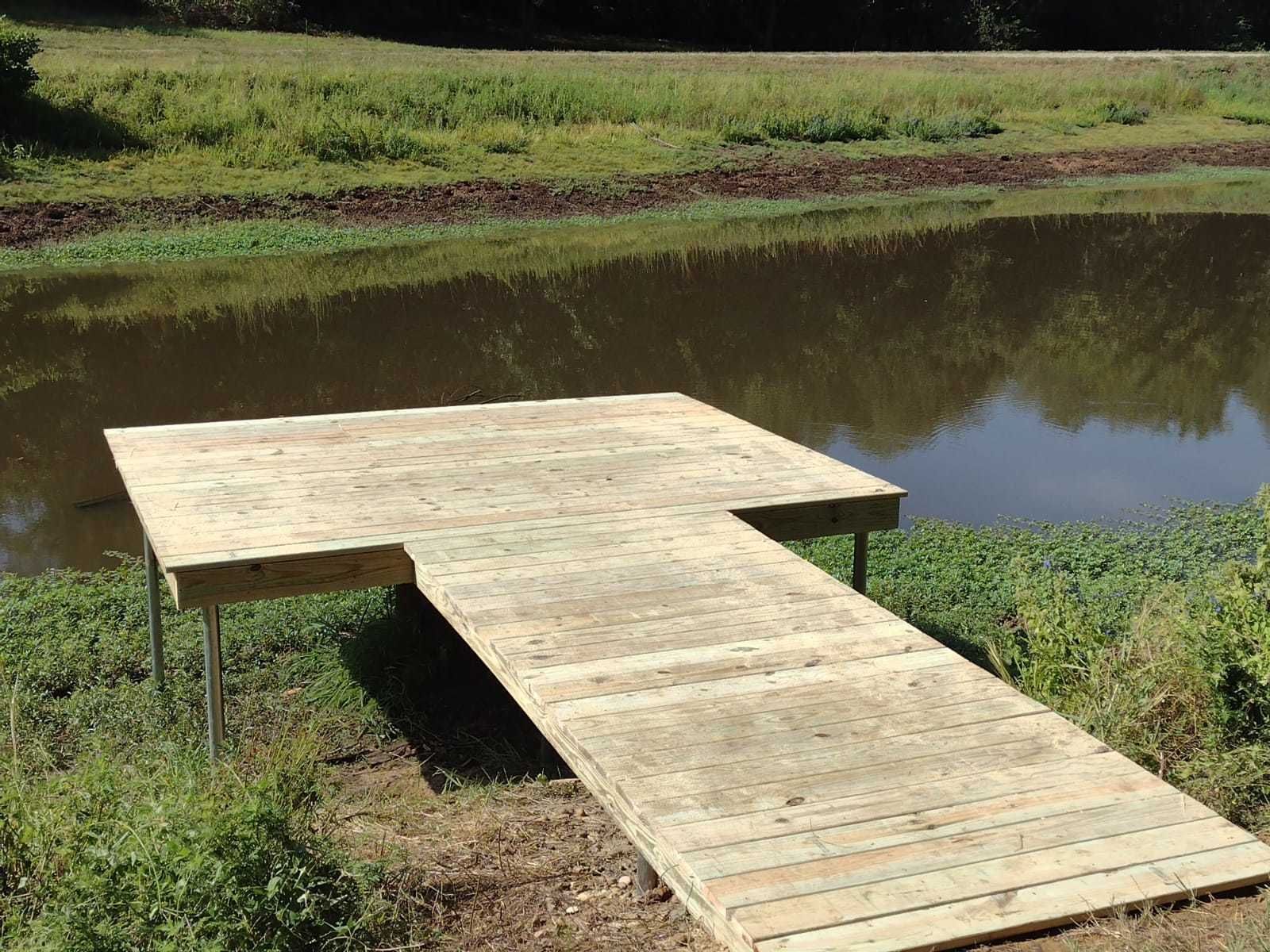
Repairing a dock involves replacing rotted pilings by driving new posts alongside or removing and resetting supports, installing new decking boards where old ones have cracked or warped, and upgrading corroded hardware with stainless or galvanized fasteners rated for marine environments. Joist repairs may require sistering new lumber alongside damaged members or replacing sections that show rot. Bracing is added or reinforced where the dock shows excessive movement under load or in windy conditions.
Once repairs are finished, the dock feels stable when walked on, boards no longer shift or create gaps, and the structure handles expected loads without sagging or bouncing. You'll notice secure footing when boarding a boat, and tie-off points hold lines firmly without pulling away from rotted wood. Replacing deteriorated components eliminates splinters and trip hazards, and new fasteners stop the creaking and movement that develop as old hardware corrodes and loosens.
Some docks only need surface-level repairs like new decking or updated hardware, while others have structural issues in pilings or framing that require more involved work. Docks that have been neglected for years may have hidden rot in joists or beams that only becomes apparent when decking is removed. A full inspection identifies the scope of work needed and prevents cosmetic fixes that leave underlying problems unaddressed.
Lakefront homeowners in Tyler want to know whether their existing dock can be repaired cost-effectively and what issues require immediate attention versus routine upkeep.
What Property Owners Usually Ask
How do you determine if a dock is repairable or needs replacement?
A dock is repairable if the main pilings and support beams remain structurally sound, even if decking and some joists have deteriorated—if most pilings show rot or the frame has significant sag and twist, replacement is often more practical.
What dock problems are safety concerns versus cosmetic issues?
Rotted pilings, loose or missing railings, cracked joists, and corroded bolts at critical connections all compromise safety and need immediate repair, while faded boards, minor surface cracks, and weathered appearance are cosmetic and don't affect structural performance.
Why do dock boards deteriorate faster than house deck boards?
Dock boards face harsher conditions with constant moisture from below, intense UV reflection off the water, and no chance to fully dry out between rain events—this accelerates cracking, warping, and rot compared to elevated house decks that drain and dry more effectively.
How long do dock repairs extend the structure's usable life?
Replacing rotted pilings, damaged decking, and failing hardware can add ten to fifteen years if the underlying frame was well-built and most structural members remain intact—proper repairs address root causes rather than just covering visible damage.
What maintenance helps prevent dock damage after repairs?
Periodic inspection of hardware for rust, cleaning debris that traps moisture against wood, and applying wood preservative to exposed cuts or drilled holes all slow deterioration—most dock damage results from deferred maintenance that allows small issues to become structural failures.
CWG Fence and Decks evaluates dock condition honestly and recommends repair or replacement based on what makes sense for your situation and budget. Contact us to schedule a waterfront property visit and review options that restore safe, dependable dock access.